




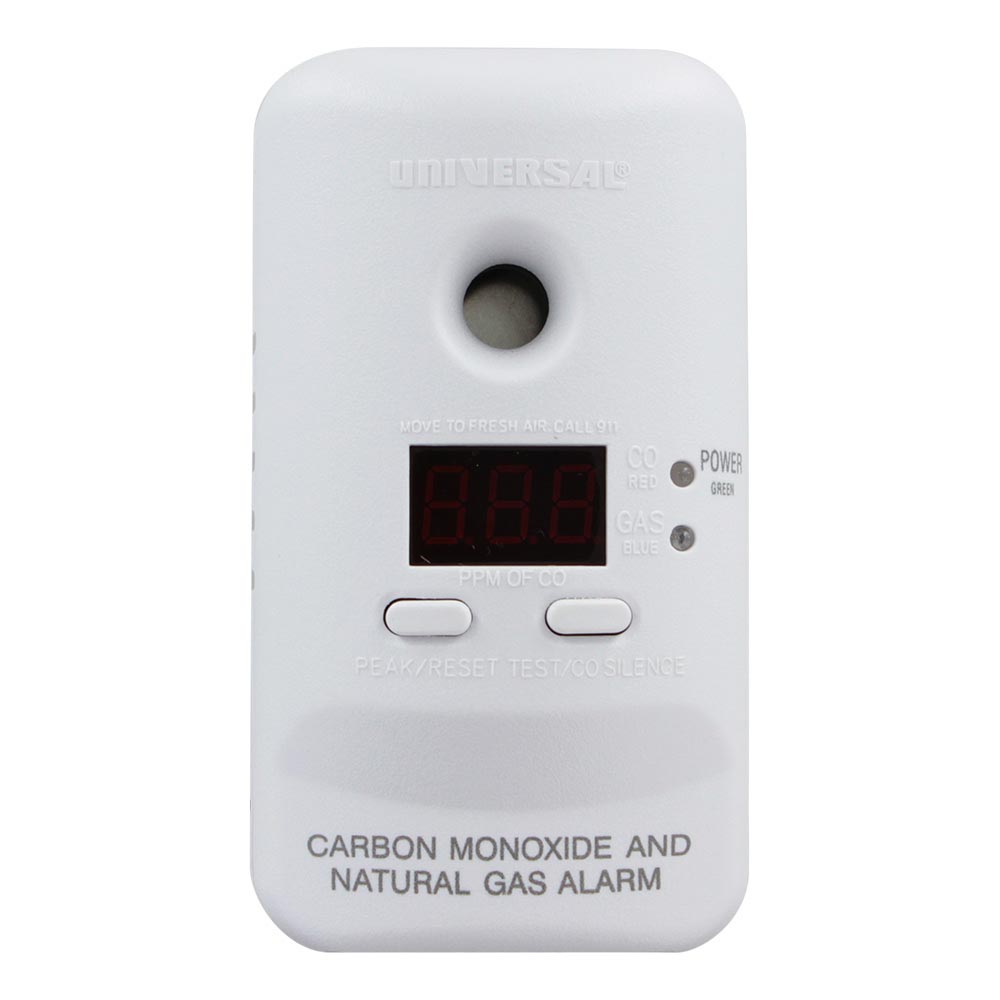
Customer Reviews For The Plug-In Carbon Monoxide and Natural Gas Alarm with Display and Battery Backup
Overall Rating
Product Reviews
Nice to have a 2 in 1 monitor for CO and Gas. Make sure this can ply in someplace high
We have had Universal products for years. Just moved and we installed them in our new home. We figure that the natural gas detector has saved us three times already. Smoke detector works well too.
This is an excellent detector that provides peace of mind for the entire family. The sleek design and simple buttons are indicative of a thoughtful, efficient product. The battery back up feature in the event of a power loss is a bright idea. Simply a superb product!
Very happy with product and received the product in a timely manner. Easy to install and monitor
As advertised. Arrived quickly. Hopefully it works if there is ever co2 or natural gas in house
So far it works well!! No problems at all!!
Items performed as advertised
Installed near our living room where the gas fireplace is. You just never know when things could happen, it's good to know that this unit is there to alert us.
It couldn't be easier to be protected from the deadly airborne killers, carbon monoxide and natural gas. Simply plug it into a wall socket, set an expiration date on your iPhone and your good to go. Just forget about it!
I find the product to be exactly what i needed in the house. I have a generator & this product fits perfectly. Fast delivery & easy to install. Certainly creates peace of mind in the entire house, knowing it is working to keep the family saye. Thank You.
It is hard to test a Carbon Monoxide and Natural Gas monitor, but the Unit quality appears to be high and the packaging was very minimal.
Received the product quickly. Very easy to install & provides the security I need within the house. Really like the 2 in 1 feature with the battery backup, adds the safety & peace of mind for the family. Thanks.
Hasn't been needed yet but install went well.
It was easy to set up and it is working fine.
I have used these for years, and replaced existing units that expired.Plus the multi detection feature is additional protection
works as indicated and very easy to use and understand.
Item was well packed and seems good quality.
Product worked well...delivery was quick, installation went well. Easy online ordering.
This product is excellent. I have had this in my home for many years and I trust it will keep my family safe. I like that it detects 2 dangerous factors gas and carbon monoxide!
It works correctly. There have been no false alarms, but apparently I have no CO or CH4 in my furnace/laundry room either, so I can't evaluate those functions. Tested the alarm test at a peak level of 116 dBA with a sound meter. That should wake me up if it ever really alarms.
Product FAQs
Carbon monoxide alarms are designed to alarm before the average healthy adult feels symptoms. Since you cannot see or smell CO, never assume it's not present. Underwriters Laboratories Inc. Standard UL2034 requires residential CO alarms to sound when exposure times and exposure levels of CO in the chart below. CO alarm levels are measured in parts per million (ppm) of CO over time (in minutes). The UL2034 Required Alarm Points are:
- If the Alarm is exposed to 400 ppm of CO, it must alarm between 4 and 15 minutes.
- If the Alarm is exposed to 150 ppm of CO, it must alarm between 10 and 50 minutes.
- If the Alarm is exposed to 70 ppm of CO, it must alarm between 60 and 240 minutes.
Having a home natural gas detector or alarm is crucial to ensure your safety, as leaks can originate from various parts of your plumbing. Interior gas lines, which transport gas throughout your house to appliances, can develop leaks due to corrosion, improper installation, or wear and tear. The appliances themselves, like furnaces, water heaters, and ovens, can also be culprits, leaking from faulty valves, hoses, or connections, especially if not maintained properly or if the appliances are old. Even underground pipes bringing gas to your house from the main line can leak due to accidental digging or events like earthquakes.
To ensure your home natural gas detector keeps you safe, replace it every seven years, even if there are no warning signs. Check the expiration date on the detector itself, but plan for replacement every seven years regardless. A natural gas detector will beep frequently (every 30 seconds to a minute) or display an "EOL" (End-of-Life) alert when nearing the end of its lifespan, but don't wait for these warnings before replacing.
A beeping natural gas alarm can indicate either a dangerous gas leak or a less serious issue. Evacuate your home immediately and call 911 from outside if the beeping is continuous, as this signifies a potential leak. However, a natural gas leak detector alarm may use short, regular beeps (every minute or so) to signal low battery or the end of the detector's life.
Carbon monoxide is not heavier than air. A carbon monoxide alarm should be installed in a location where the alarm will stay clean, and out of the way of children or pets. Refer to the user's manual for specific installation requirements.
It is very important to install a carbon monoxide alarm outside each separate sleeping area, and for maximum protection, install one in every bedroom. Many states now require installation of a carbon monoxide alarm inside each bedroom. For added protection, placement of an additional carbon monoxide alarm at least 15-20 feet away from the furnace or fuel burning heat sources is recommended. Install carbon monoxide alarms a minimum of 10 feet from sources of humidity like bathrooms and showers. In multiple-story dwellings, install one carbon monoxide alarm on every level. If you have a basement, install a carbon monoxide alarm at the top of the basement stairs, and in each separate sleeping area.
Do not install carbon monoxide alarms in garages, kitchens, furnace rooms, or in any extremely dusty, dirty, humid, or greasy areas. Do not install alarms in direct sunlight, or areas subjected to temperature extremes. These areas include unconditioned crawl spaces, unfinished attics, un-insulated or poorly insulated ceilings, and porches. Carbon monoxide alarms should not be installed in outlets covered by curtains, heavy furniture or other obstructions. Do not install in turbulent air-near ceiling fans, heat vents, air conditioners, fresh air returns, or open windows. Blowing air may prevent carbon monoxide from reaching the CO sensors.
When natural gas leaks into a confined space, it can build up to an explosive concentration. If there's an ignition source like a spark from an appliance or a lit cigarette, an explosion can occur.
MCND401B Video Guide
Watch this helpful video to learn more about the USI Digital Plug In Natural Gas and Carbon Monoxide Alarm with Battery Backup - MCND401B.
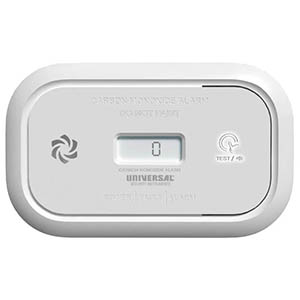
Read customer ratings and reviews for the USI Digital Plug In Natural Gas and Carbon Monoxide Alarm with Battery Backup - MCND401B. Learn what other customers have to say about their experiences, including what they liked, how the Plug-In Carbon Monoxide and Natural Gas Alarm with Display and Battery Backup met their expectations, and any concerns they encountered. These firsthand perspectives can provide helpful information beyond the standard product description.
Browse the reviews to compare customer ratings, explore positive and critical feedback, and make a more informed purchasing decision. If you've purchased or used this product, we encourage you to share your experience and help other shoppers find the right product for their needs.